Open 24 / 7 / 365 St. Louis City & County On site within the hour across the metro Work follows IICRC standards 24/7 dispatch: (314) 762-6284
A1 A1 Restorationof St. Louis
Home › Hurricane Flood Damage
24/7 Emergency Service

Hurricane Flood Damage in St. Louis, MO

Remnant tropical systems ride up the Mississippi Valley and drop heavy rain on St. Louis with little warning. Crews respond within hours to extract water, prevent mold, and get the home back on track.

IICRC-Standard Methods 24/7 Emergency Dispatch ~60 Min Response
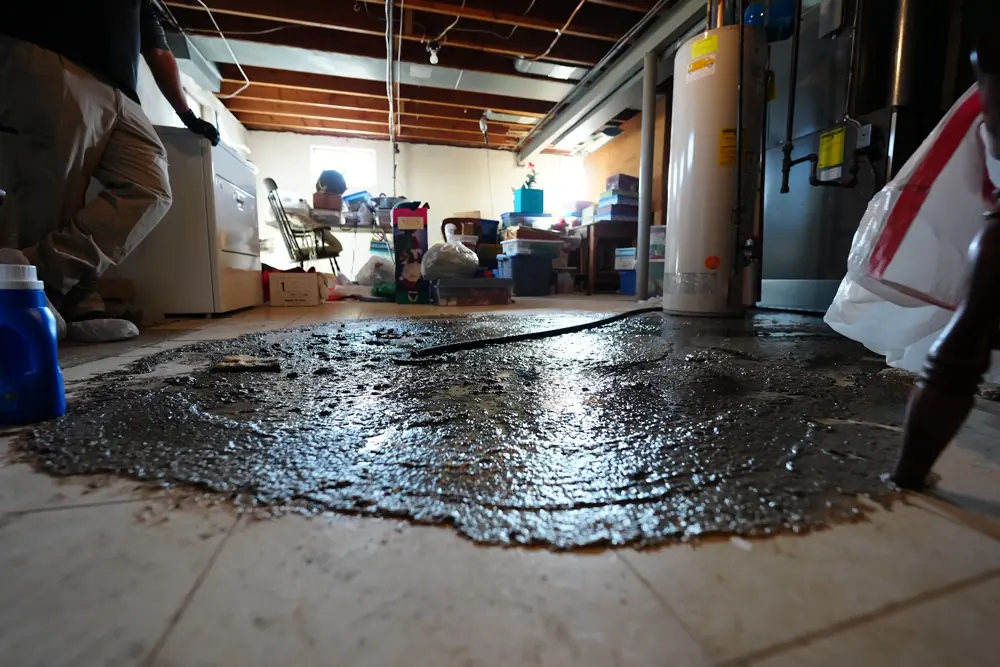
Hurricane Flood Damage in a St. Louis home
Response
~60 minutes
Availability
24 / 7 / 365
Water categories
1, 2 & 3
Insurance
Billed direct
How it's done

How Hurricane Flood Cleanup Works

1

Rapid Extraction

Industrial pumps and wet vacuums move fast to pull standing water out, since every hour it sits adds to what has to be replaced later.

2

Contamination Assessment

The water category, clean, gray, or black, is identified, and category 2 or 3 water triggers a full decontamination protocol before drying starts.

3

Structural Drying

Dehumidifiers, air movers, and desiccant systems run for roughly two to three weeks to bring walls, subfloors, and framing back to a dry standard.

4

Removal and Restoration

Contaminated drywall, insulation, flooring, and cabinetry are removed and disposed of properly as the rest of the structure dries and surfaces are cleaned.

What you get

What to Do During and After a Flood

  • Move to higher ground or evacuate if local authorities issue a warning, since safety comes first.
  • Stay out of standing water, which can carry sewage, hazardous material, and electrical risk.
  • Photograph and video the damage for the insurance claim before the water recedes and evidence is lost.
  • Call (314) 762-6284 as soon as it is safe, for immediate water extraction and damage mitigation.
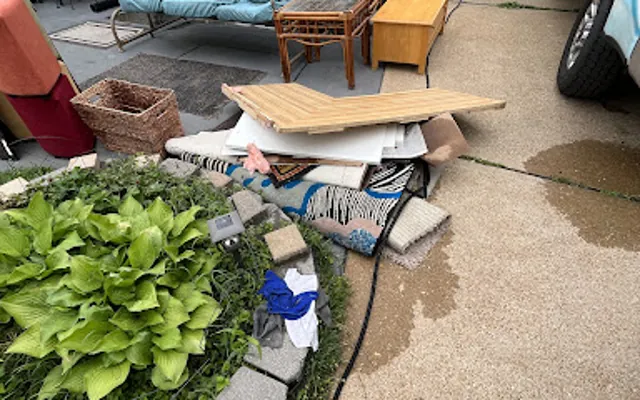
Restoration equipment on a St. Louis job
Before the crew arrives

What to do right now

While help is on the way, these first steps, done only where it is safe, limit the damage and protect the insurance claim.

1

Stop the water

Shut the supply off at the source, or close the home's main valve if the source is not obvious. Stopping the flow limits the damage more than anything else.

2

Cut the power

Switch off electricity to the affected area, but only if the breaker can be reached without standing in or touching the water.

3

Call for help

Get a crew dispatched right away. The sooner extraction and drying begin, the more flooring, drywall, and belongings can be saved.

4

Document the loss

Take photos and a short video of the water and the affected rooms before anything is moved, so the insurance claim starts strong.

Cost

What does hurricane flood cleanup cost in St. Louis?

Hurricane flood cleanup in St. Louis typically runs from about $4,000 to $10,000 or more, depending on how deep the water got, how long it sat, and how much structural material has to be removed and replaced. Category 2 or 3 contamination adds decontamination costs on top of drying. Flood damage from rising water generally needs a separate flood insurance policy, since a standard homeowners policy usually excludes it, so checking coverage right away matters.

Get a straight answer: (314) 762-6284

Coverage area

Hurricane Flood Damage across the St. Louis metro

Crews reach St. Louis city, St. Louis County, and the Metro East fast, from Soulard and Benton Park to Clayton, University City, Kirkwood, and Florissant. See the full list on the areas served across St. Louis page.

See all areas served
Why it holds up

How the work is done right

Documented for your claim

Every loss is photographed, measured, and logged from the first visit, so the paperwork holds up with your insurance carrier.

IICRC-standard methods

Technicians follow recognized IICRC drying standards and prove the work with daily moisture readings, not guesswork.

Answered 24/7

Emergency dispatch any hour of the day or night, with a real crew on the way, not a callback in the morning.

Work follows IICRC standards 24/7 emergency dispatch Insurance documented & billed direct Moisture-verified drying
Why it matters

Done fast, done right, done local

On call 24/7

A real crew dispatched any hour, not a callback in the morning.

IICRC-standard methods

Trained technicians following recognized IICRC drying standards.

The right equipment

Truck-mounted, portable, and submersible for any size loss.

Insurance handled

The loss is documented and billed to the carrier directly.

Good questions

Hurricane Flood Damage, answered

A standard homeowners policy covers water damage from internal sources like a burst pipe or a roof leak. Flood insurance is a separate policy that covers external events like rising creek water, heavy rain runoff, and storm surge.

Filing within 24 to 48 hours, with photos and video of the damage, tends to move a claim faster. Reaching the adjuster early shows diligence and helps set expectations for the scope of work.

Only once local authorities confirm it is safe. Downed power lines, damaged gas lines, or an unstable structure are all reasons to wait for official clearance before going back inside.

Structural drying and material removal typically take two to four weeks. Replacing drywall, flooring, and cabinetry adds more time, and a large or complex loss can run a month or longer.

Mold can begin colonizing wet material within 24 to 48 hours, and flood water often carries spores and organic matter that speed things along. Fast extraction and dehumidification are what keep it from taking hold.

Related services

What often comes next

Flooding From Storm Rain? Call for Immediate Help

St. Louis crews are on call 24 hours a day, local and fast, and can be on the way within the hour.

Call (314) 762-6284
Call (314) 762-6284