Open 24 / 7 / 365 St. Louis City & County On site within the hour across the metro Work follows IICRC standards 24/7 dispatch: (314) 762-6284
A1 A1 Restorationof St. Louis
Home › Water Heater Leak / Failure
24/7 Emergency Service

Water Heater Leak / Failure in St. Louis, MO

A failing water heater tank can release 40 to 50 gallons of hot water in minutes, flooding a basement or utility room fast. Extraction, drying, and restoration typically wrap within about 48 hours.

IICRC-Standard Methods 24/7 Emergency Dispatch ~60 Min Response
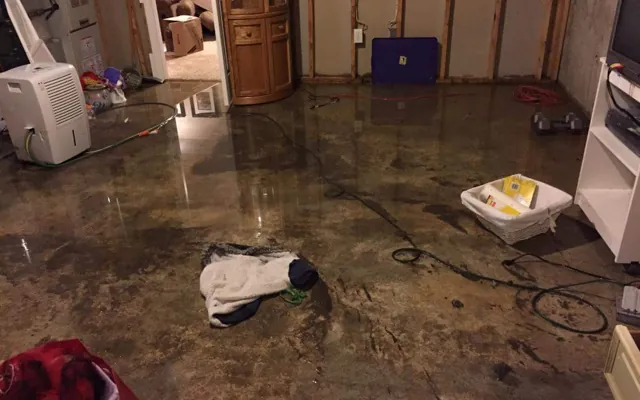
Water Heater Leak / Failure in a St. Louis home
Response
~60 minutes
Availability
24 / 7 / 365
Water categories
1, 2 & 3
Insurance
Billed direct
How it's done

How Water Heater Leak Extraction and Restoration Works

1

Assessment and Extraction

The heater and its failed connections are inspected, water supply is shut down if needed, and standing water is pumped or removed with truck-mounted extractors.

2

Removal of Damaged Materials

Wet insulation, drywall, flooring, and contaminated material are removed safely, and the old heater is disposed of per local code.

3

Complete Drying Protocol

Dehumidifiers and air circulation dry concrete, subflooring, walls, and surrounding areas over 48 to 72 hours to prevent mold.

4

Restoration and New Heater Installation

Once the area is dry and inspected, installation of a new code-compliant water heater is coordinated, flooring is repaired, and the utility space is restored.

What you get

What Water Heater Leak Cleanup Includes

  • Same-day response, with water extracted within hours to stop further damage to concrete and framing
  • Experience with water heater failures and foundation water entry common in older St. Louis homes
  • Dehumidification and drying that reaches hidden moisture in concrete and subflooring
  • Documentation with photos and a detailed damage estimate for the insurance claim
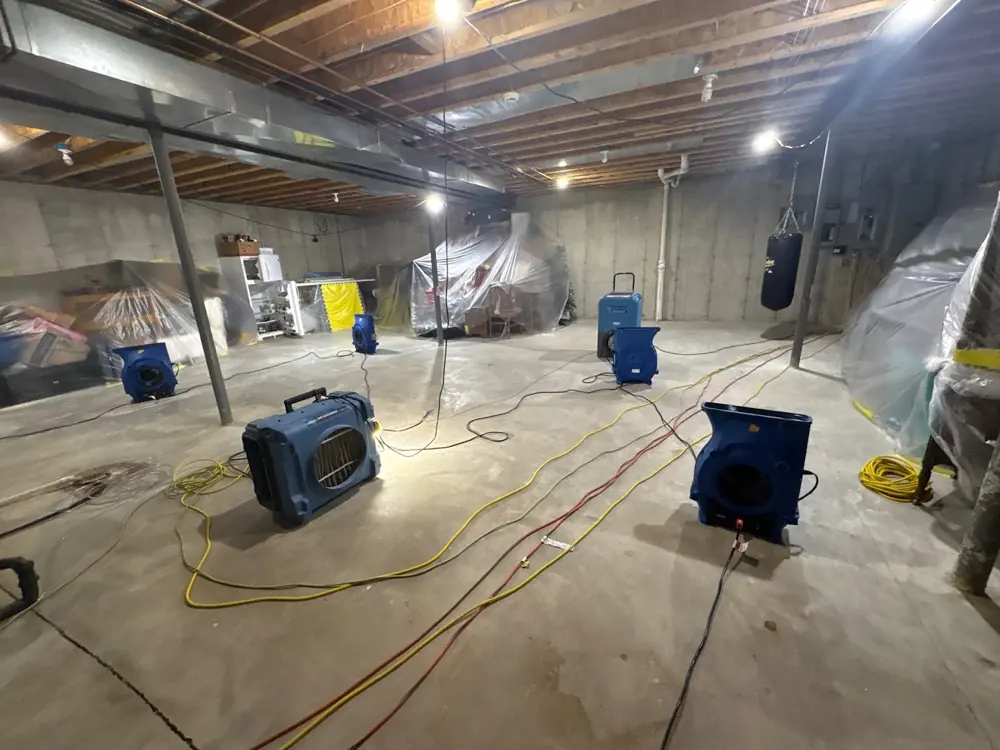
Restoration equipment on a St. Louis job
Before the crew arrives

What to do right now

While help is on the way, these first steps, done only where it is safe, limit the damage and protect the insurance claim.

1

Stop the water

Shut the supply off at the source, or close the home's main valve if the source is not obvious. Stopping the flow limits the damage more than anything else.

2

Cut the power

Switch off electricity to the affected area, but only if the breaker can be reached without standing in or touching the water.

3

Call for help

Get a crew dispatched right away. The sooner extraction and drying begin, the more flooring, drywall, and belongings can be saved.

4

Document the loss

Take photos and a short video of the water and the affected rooms before anything is moved, so the insurance claim starts strong.

Cost

What does water heater leak cleanup cost in St. Louis?

Water heater leak cleanup typically runs 1,200 to 4,500 dollars, depending on how much water was released, how far it spread, and whether subflooring or structural material needs replacing. Drying concrete adds both time and equipment cost. Homeowners insurance commonly covers sudden tank failure and the resulting water damage to contents and structure, subject to the deductible.

Get a straight answer: (314) 762-6284

Coverage area

Water Heater Leak / Failure across the St. Louis metro

Crews reach St. Louis city, St. Louis County, and the Metro East fast, from Soulard and Benton Park to Clayton, University City, Kirkwood, and Florissant. See the full list on the areas served across St. Louis page.

See all areas served
Why it holds up

How the work is done right

Documented for your claim

Every loss is photographed, measured, and logged from the first visit, so the paperwork holds up with your insurance carrier.

IICRC-standard methods

Technicians follow recognized IICRC drying standards and prove the work with daily moisture readings, not guesswork.

Answered 24/7

Emergency dispatch any hour of the day or night, with a real crew on the way, not a callback in the morning.

Work follows IICRC standards 24/7 emergency dispatch Insurance documented & billed direct Moisture-verified drying
Why it matters

Done fast, done right, done local

On call 24/7

A real crew dispatched any hour, not a callback in the morning.

IICRC-standard methods

Trained technicians following recognized IICRC drying standards.

The right equipment

Truck-mounted, portable, and submersible for any size loss.

Insurance handled

The loss is documented and billed to the carrier directly.

Good questions

Water Heater Leak / Failure, answered

Most water heaters last 8 to 12 years. A unit past 10 years old carries a rising failure risk, and rust stains, pooled water, or a metallic smell are all early warning signs.

Shut off the water supply to the heater right away and call a plumber to diagnose the leak, then arrange water removal and a damage assessment for anything already affected.

Sudden tank failure and the resulting water damage to a home are typically covered under homeowners insurance, minus the deductible.

Drying generally takes 48 to 72 hours with dehumidifiers and air movers, depending on how much water was released and how much concrete and framing absorbed it.

It can, starting within 24 to 48 hours if water isn't extracted and dried quickly. Fast extraction within hours is what keeps mold and structural damage from taking hold.

Related services

What often comes next

Call Now for Water Heater Leak Extraction

St. Louis crews are on call 24 hours a day, local and fast, and can be on the way within the hour.

Call (314) 762-6284
Call (314) 762-6284